
How Do Essential Oils Work?
How do essential oils work?
That's a natural question to ask when you consider that these amazing aromatic substances are such powerful supports to health and wellness.
Tiny Molecules
The place to begin to address how essential oils work is by looking at their chemistry.
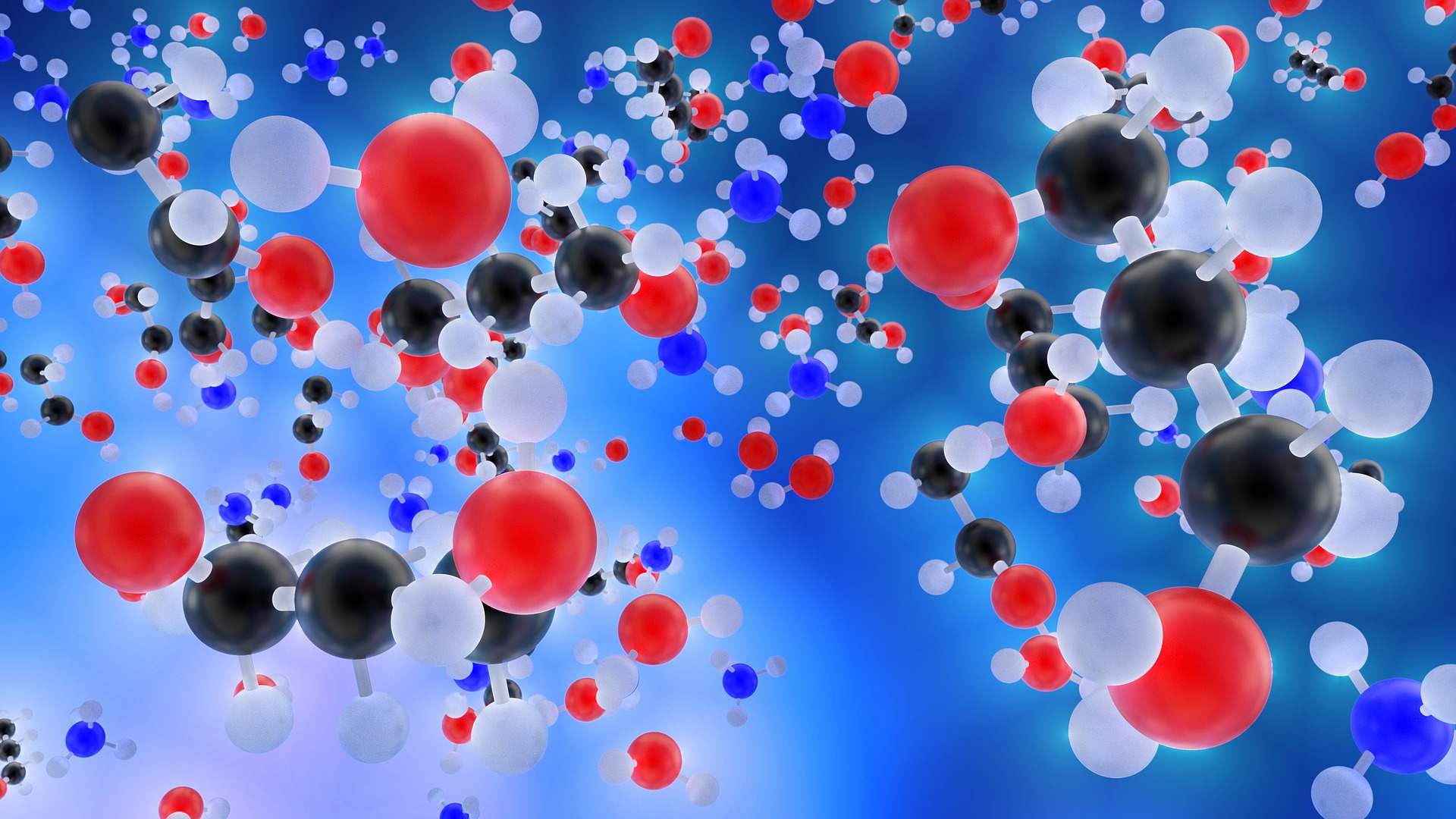
Essential oils are made up of very tiny molecules. Much smaller than the molecules found in "fatty oils" like peanut or olive oil.
The small molecules that make up essential oils empower them in a number of ways:
- Makes them aromatic, as small molecules are able to quickly vaporize and positively affect the body through the nose and lungs. (This characteristic is what led to the term "aromatherapy.")
- Enables them to easily cross tissues and cell walls -- including the blood-brain barrier -- which gives the power to reach the deepest areas of the body like nothing else. (This can be seen in the ability that essential oils have to quickly and positively affect the emotions.)
- Equips oils to be transdermal, which means that they can penetrate the skin and reach any part of the body in minutes. (As proof, an essential oil like peppermint can be placed on the sole of the foot and be tasted on the tongue within a minute!)
High Frequency
Another way essential oils may work is through their high frequency.
Scientists have been making amazing discoveries about the relationship between the frequency of the body and the quality of one's health.
For example:
When the body is in poor health, the body registers a lower frequency. With better health, the frequency is higher.
Studies show that the human body's frequency can be adversely affected by certain foods, and positively affected by activities like prayer.
It is believed essential oils may also positively impact the frequency of the body because the frequency of essential oils themselves is so high... ranging anywhere from 52 to 320 MHz.
As more research is done regarding the relationship between body frequency and overall health, I expect we will learn more about the contribution essential oils can make to overall wellness.

Amazing Efficiency
The unique properties of essential oils make them incredibly efficient.
Consider these facts:
- Essential oils are extremely concentrated. Just one drop contains 40 million-trillion molecules.
- We have 100 trillion molecules in our bodies.
- So, one drop of oil is enough to cover every cell of the body with 40,000 molecules.
Amazing! And it explains why just a small amount of oil can go a long way.
Keep in mind... in discussing how essential oils work, it's assumed that only quality, therapeutic oils are being used.
Return from How Do Essential Oils Work to What Are Essential Oils
Return from How Do Essential Oils Work to Family Essential Oils HOME


