Essential Oils Blog
May 22, 2018
Pure Rose Essential Oil -- And my Favorite Way to Use it
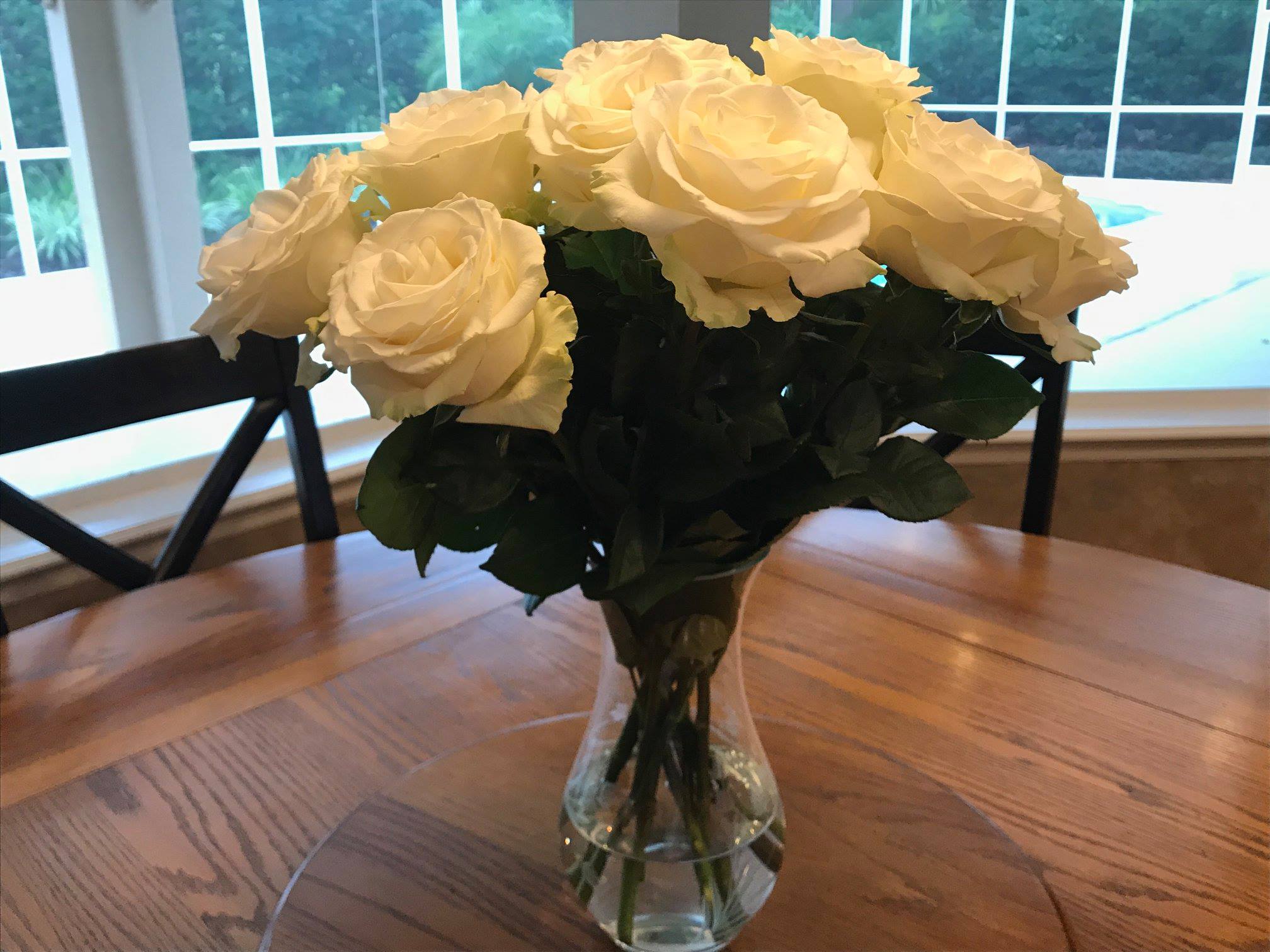
Pure rose essential oils is one of the most valuable of essential oils. Rose oil has a one-of-a-kind aroma. It is also great for the skin and a good way to support emotional balance and harmony.
Continue reading "Pure Rose Essential Oil -- And my Favorite Way to Use it"
May 09, 2018
About Fragrance Oils
Even though they're popular, most people don't know much about fragrance oils. But there are reasons to be concerned about fragrance oils so popular today...
May 08, 2018
Time to "Switch and Ditch"

Now that spring cleaning time is here, a lot of people are practicing what's called "switch and ditch." Have you heard of it? Switch and ditch is simply switching to chemical-free household cleaners while ditching your older products that are loaded with toxins.
Apr 12, 2018
The Best Way to Improve the Taste of a Smoothie
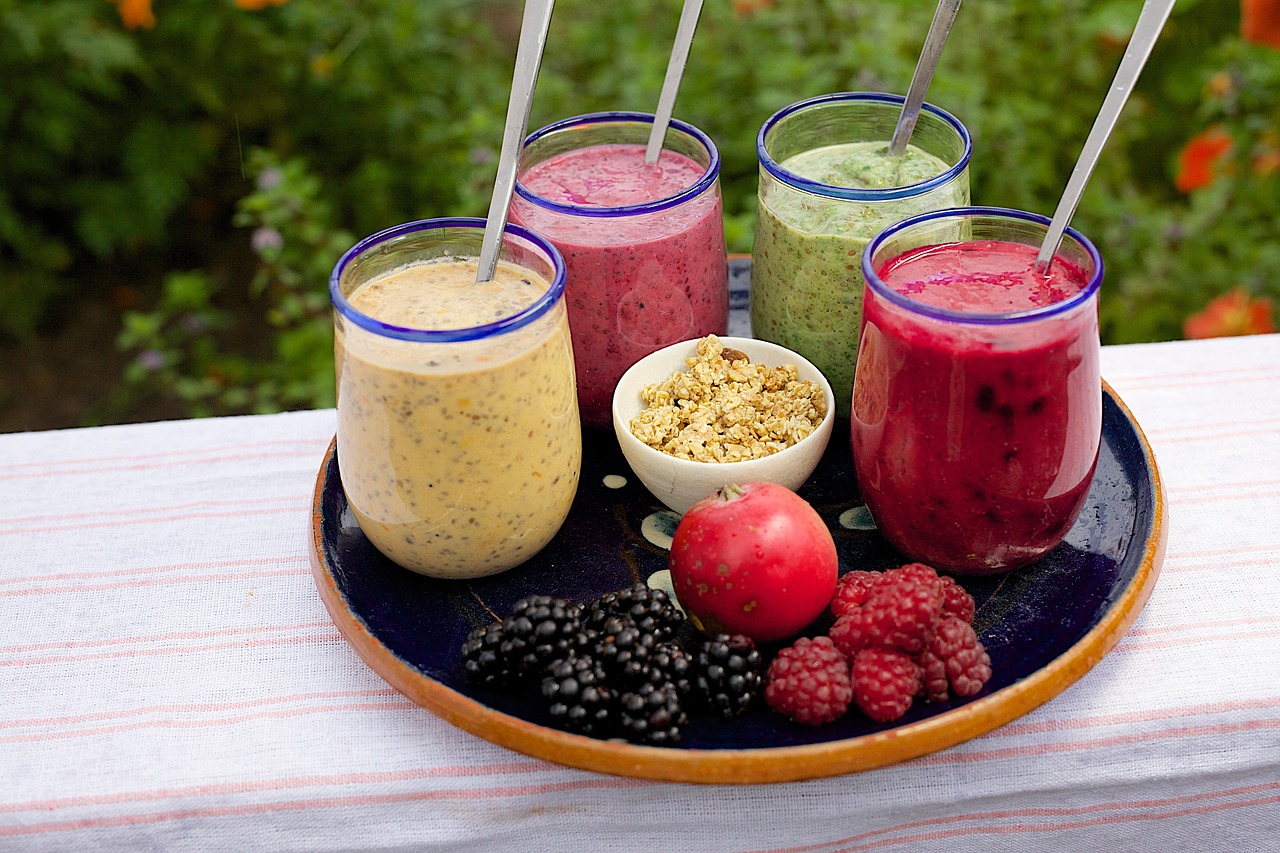
Smoothies are extremely popular. But many are interested in the best way to improve the taste of a smoothie. Essential oils make a great addition to smoothies.
Continue reading "The Best Way to Improve the Taste of a Smoothie"
Mar 31, 2018
Enjoying the Aromas of Easter

The Easter story features a number of powerful and pleasing aromatic substances.... spikenard... myrrh... aloes...
Mar 13, 2018
Pilates and Essential Oils
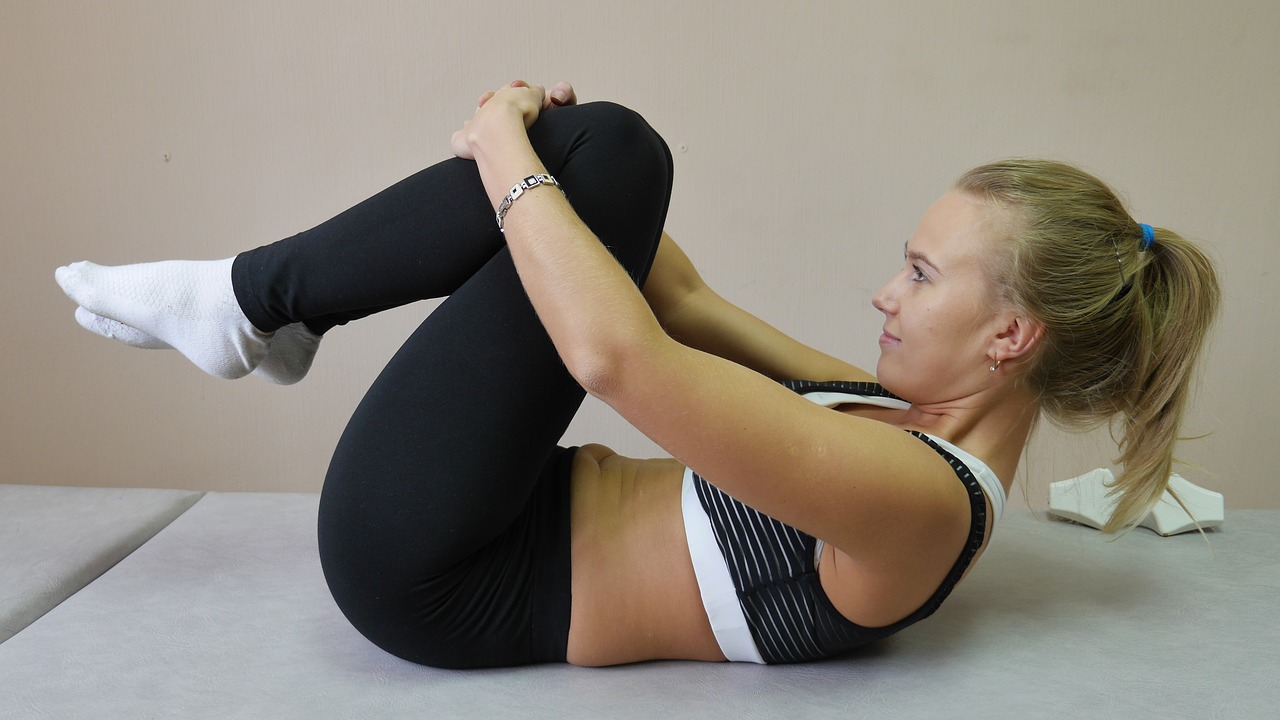
Pilates and essential oils make ideal companions. And using essential oils for Pilates is easy to introduce, both at home and the Pilates studio. The same applies when it comes to essential oils for yoga.
Jan 24, 2018
Essential Oils for Pets

Essential oils for pets? Certainly! And not just for pampered pets. Essential oils can be a great way to care for... small pets, exotic pets and other domestic animals.
Jan 19, 2018
Can essential oils help warm you up?

With the recent spell of cold weather, it's not surprising that I've been asked: Can essential oils warm you up? Well, yes they can...
Jan 16, 2018
Winter Wellness: Maintaining a Healthy Immune System

Winter is a time we especially want to do all we can to maintain a healthy immune system. Essential oils are ideal...
Continue reading "Winter Wellness: Maintaining a Healthy Immune System"
Dec 08, 2017
Peppermint Essential Oil Uses
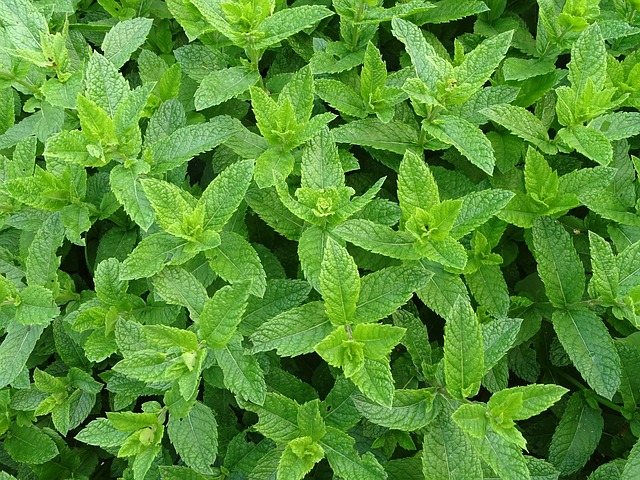
Peppermint is one of the most familiar essential oils... known for its cool and invigorating flavor and sensation. The many peppermint essential oil uses also makes it popular.
Dec 04, 2017
Add Some Pizzazz to Your Holiday Dishes with Essential Oils

The taste of appetizers, marinades, casseroles, dressings, beverages, vegetables, desserts and sauces can all be made better with just a small amount of essential oils.
Continue reading "Add Some Pizzazz to Your Holiday Dishes with Essential Oils"
Nov 29, 2017
What You Need to Know About Scented Candles
Scented candles do provide an easy and effective way to mask unpleasant aromas. But that doesn't mean you should use them. Unfortunately, scented candles can be extremely toxic...
Continue reading "What You Need to Know About Scented Candles"
Nov 15, 2017
Keeping a well-tuned body

Like cars, our bodies need to stay well-tuned to function as they're designed... Essential oils have the ability to clean your receptor sites... through their different chemical constituents...
Nov 14, 2017
Creating a Health Lifestyle Doesn't Have to Be Hard

Creating a healthy lifestyle can be hard... But essential oils have some unique qualities that make living a healthy lifestyle so much easier.
Continue reading "Creating a Health Lifestyle Doesn't Have to Be Hard"
Nov 03, 2017
Benefits of Cinnamon
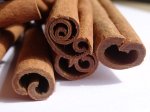
Cinnamon has a number of benefits. First, on the health front... Cinnamon provides great support to the immune, endocrine, and cardiovascular systems of the body.
Oct 28, 2017
"You can change what you can control"

There's many changes in life we have no control over. But we can control and change the kind of lifestyle we live...
Oct 28, 2017
Creating Healthy Habits with Essential Oils

Essential oils can help create healthy habits on different levels.
Continue reading "Creating Healthy Habits with Essential Oils"
Oct 23, 2017
How to Freshen Throw Pillows

Looking for a way to freshen up your throw pillows. Essential oils can be an ideal way to to freshen throw pillows or bed pillows.
Oct 20, 2017
Dangerous Makeup

Is your makeup causing you harm? More attention is being given these days to dangerous makeup. And for good reason.
Oct 13, 2017
Do your genes have your future health set in stone?

According epigenetics the expression of DNA in our cells is not fixed at birth... can essential oils positively influence our genes?
Continue reading "Do your genes have your future health set in stone?"
Oct 12, 2017
The Japanese car maker's secret to better health

As incremental progress transformed Japanese automakers so can it transform individual health.
Continue reading "The Japanese car maker's secret to better health"
Oct 10, 2017
Essential Oil Singles and Blends

Essential oils are applied in one of two forms -- as singles or as blends... Essential oil blends are specially formulated combinations of oils.
Oct 09, 2017
Patchouli... Not Just for Hippies

Hippies tended to like patchouli. It's not surprising as its exotic, musky smell seems to fit well with the hippie lifestyle..
Oct 08, 2017
Who else wants a more relaxed, laid back home environment?

The powerful and pleasing aromas of essential oils can be a great way to create a more relaxed, laid back home environment.
Continue reading "Who else wants a more relaxed, laid back home environment?"
Oct 07, 2017
Is your air freshener doing you harm?

Air fresheners are full of toxic chemicals that can harm your health. Studies have shown...
Oct 06, 2017
Irma's stench... and what it reminded me about diffusing essential oils

A lot of bad smells arise after a hurricane--or any natural disaster. Diffusing essential oils is a great way to deal with these offending odors.
Continue reading "Irma's stench... and what it reminded me about diffusing essential oils"
Sep 21, 2017
Family Essential Oils Community

Family Essential Oils is a community of essential oil users from all kinds of backgrounds and situations.
Jul 26, 2017
What are Essential Oils?

Are you wondering, "What are essential oils?" Here's a simple description.
Jul 26, 2017
Exercise and Essential Oils
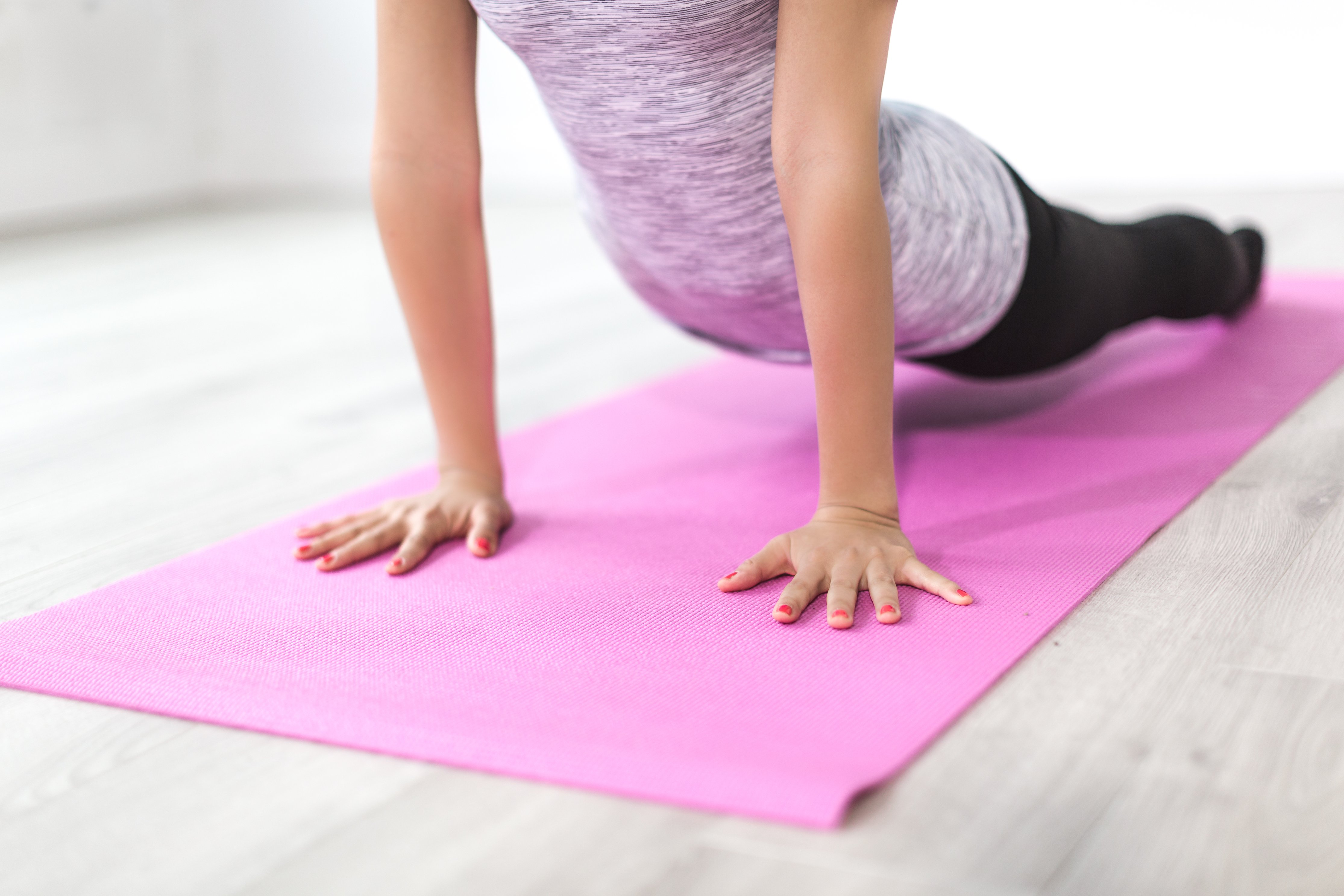
There are a number of ways essential oils can enhance anyone's exercise experience. One simple application is to put a drop or two of a favorite essential oil...
Jul 24, 2017
Essential Oils for Spiritual Growth

Essential oils can be a great help in overcoming personal barriers... they have a long association with spiritual activities, as can be seen by the many references to them in the Bible.
Jul 23, 2017
Maximize Your Mental Fitness

Distractions, competing responsibilities, fatigue, stress, toxins and anxiety all seem to conspire to keep us in a mental fog... and prevent from performing at our best. Is there anything...
Jul 23, 2017
Essential Oils and Emotions

Struggles with emotions are significant issues these days. essential oils can be a powerful source of help to those seeking to overcome their emotional barriers.
Jul 23, 2017
Essential Oils and Supplements
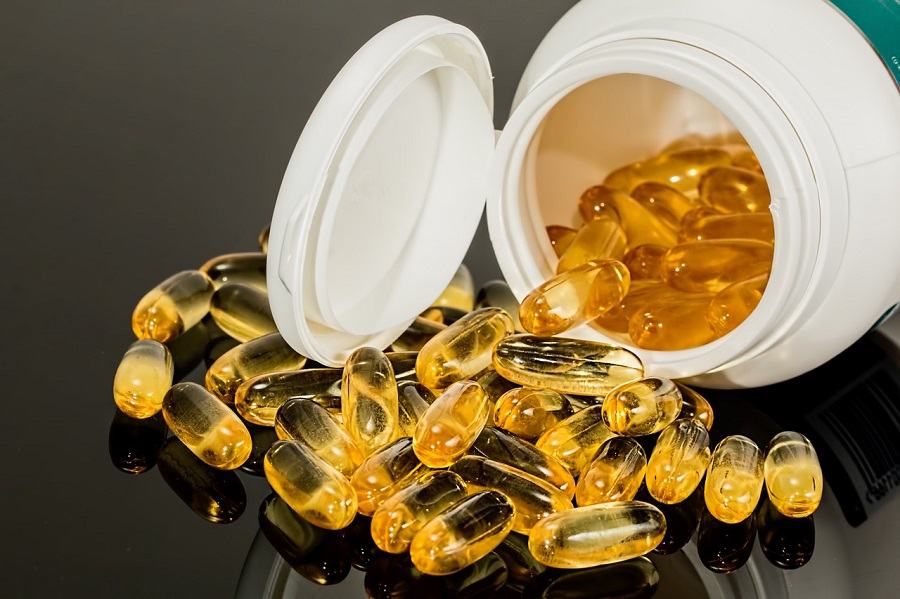
Not all supplements are the same. Supplements infused with essential oils can help improve their absorption.
Jul 22, 2017
Essential Oils and Food

When you eat right, you feel better... And when you incorporate a small amount of essential oils with a good diet, these benefits are even greater.
Jul 21, 2017
Getting Sufficient Sleep
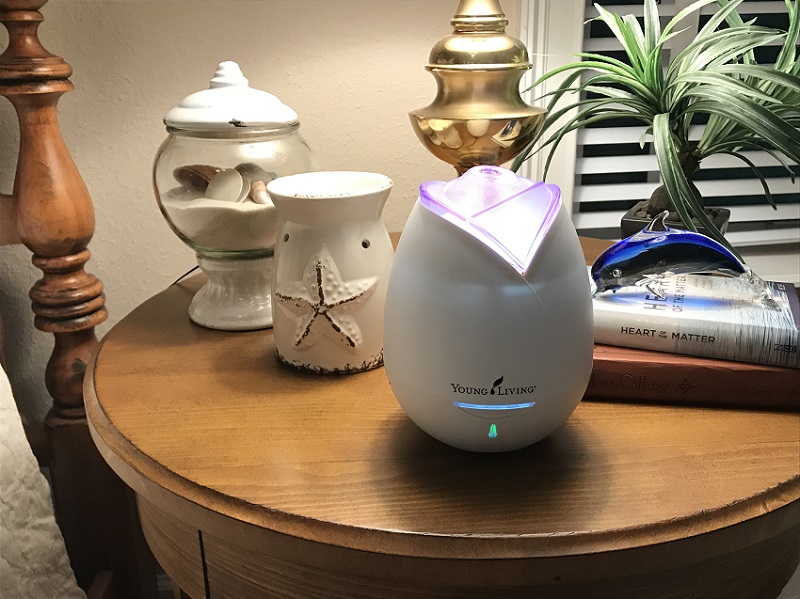
Having difficulty sleeping? Therapeutic-grade essential oil can help you settle down and relax, and get the sleep you need.
Jul 21, 2017
How to Drink More Water

Plenty of quality water is essential to your well being. But how do you make sure you drink enough water? Essential oils can be a great help.
Jul 20, 2017
Reduce Your Exposure to Toxins

Are you aware of the dangerous household chemicals affecting your family? Essential oils can help you limit your exposure to harmful toxins.
Apr 24, 2015
Do you have enough FUN?
With essential oils, you can create your own little space of fun and enjoyment.
Aug 07, 2014
ZYTO Compass
Wouldn't you like to remove the guesswork when it comes to figuring out which essential oils are best suited to help you?
Jul 19, 2014
Three Reasons to Diffuse Essential Oils
Diffusing essential oils is about much more than experiencing a pleasing aroma...
And I can't imagine life without my diffusers because of all the benefits diffusing essential oils brings.
Here are three top benefits that really stand out...
Feb 19, 2013
How to Use Essential Oils

Want to know how to use essential oils? There are three main ways.
Jan 07, 2013
Essential Oil Recipes
Cooking with essential oils can be a great way to incorporate the powerful benefits of essential oils with your diet. But to make it happen, you need some essential oil recipes.